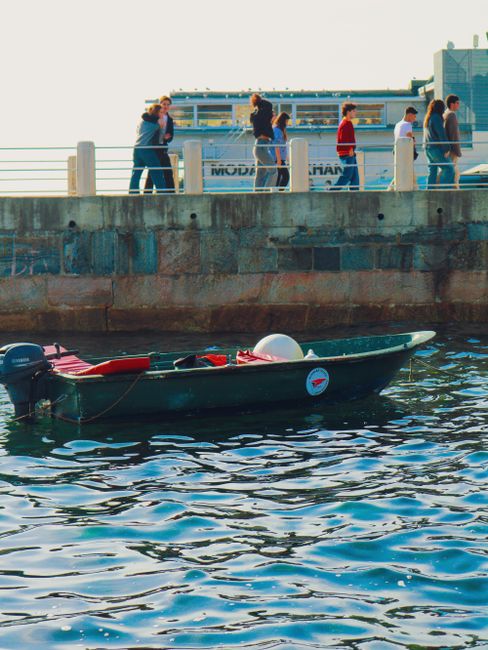
Saturday, nine a.m. Three boats are waiting for the fuel dock, a family is wheeling a cooler down the gangway, a visiting yacht wants a spot for the afternoon and someone’s kids are asking where they can launch their paddleboards. A marina floating dock has to handle all of it at once: people walking, boats bumping, water rising and falling, and the same pieces doing it again tomorrow for twenty more years. This page looks at floating platforms the way a marina or yacht club manager does: who needs access, how traffic flows, and what will still be sound after many seasons.
In short: permanent slips and walkways belong to engineered floating dock systems (rigid modular plastic, concrete, wood or aluminum) with documented ratings. Inflatable platforms have a smaller, separate role: temporary guest or swim areas, member events and yacht-side boarding. Plan accessibility and permits from the start.
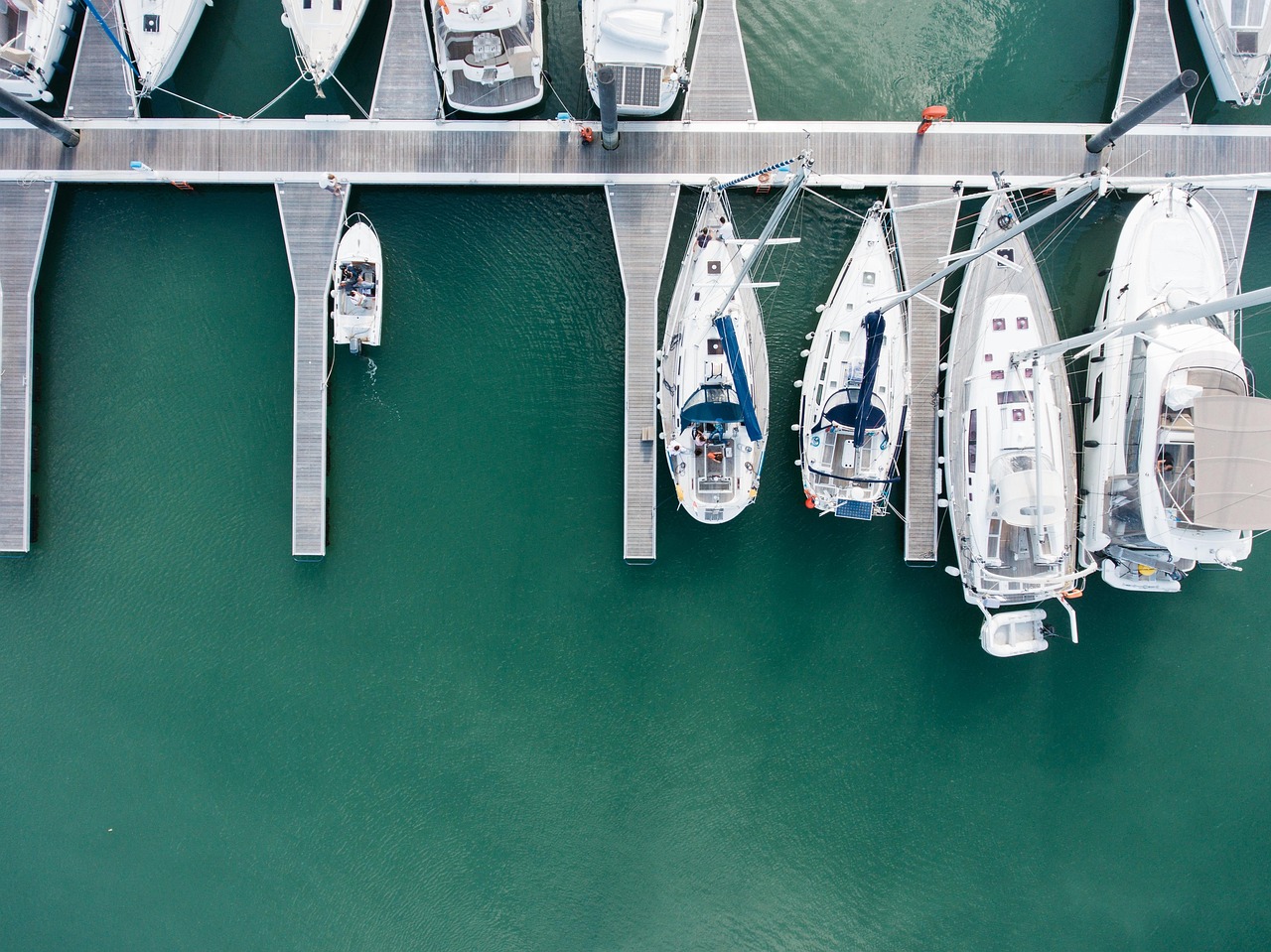
Three questions a marina answers first
1. Access: who has to get from shore to boat?
Slip holders with carts, guests in sandals, crew carrying gear, older members, people using wheelchairs. Floating docks move with the water, so the link between the fixed shore and the float, the gangway, is where access is won or lost. In the US, the ADA Standards cover recreational boating facilities. The US Access Board’s guide explains that gangways that are part of an accessible route generally have a maximum slope of 1:12, with exceptions: the slope limit doesn’t apply once the gangway is at least 80 ft long, or at least 30 ft long at facilities with fewer than 25 slips. Accessible slips need clear pier space at least 60 in wide and as long as the slip, and the number required scales with the size of the marina (one for 1 to 25 slips, two for 26 to 50, three for 51 to 100, and so on). Two details catch planners out: piers such as a fuel pier count toward the total number of slips, and the cross slope of gangways and floating piers on an accessible route should not exceed 2 percent, measured with the dock at rest. The guide also allows platform lifts or limited-use elevators instead of gangways in some designs.
2. Traffic: where do people and boats cross?
Map the busiest moments: the fuel dock queue, the launch ramp on a holiday weekend, the guest dock at lunch. Separate where people walk from where boats land, give paddlers and jet skis their own low launch point away from the fuel dock (our launch platforms page and the guide to a floating dock for a jet ski cover the options), and keep swim or play areas well clear of channels. A floating section that adds a second boarding point often eases a crowded main dock more than a wider walkway would.
3. Durability: what will it look like in year ten?
Sun, salt, fuel, ice, wakes and thousands of footsteps. Ask each supplier what the material is, what the stated load rating and freeboard are, how modules connect, what the warranty covers and for how long, and how they handle anchoring or piling design for your site. Good suppliers put these in writing.
Floating dock systems: where each one fits in a marina
| Marina job | What usually does it | Inflatable recreational platform? |
|---|---|---|
| Main walkways and permanent slips | Engineered floating dock systems with documented ratings, designed for the site | No |
| Fuel dock and service areas | Engineered docks with utilities and fendering | No |
| Guest and tender landing | Modular floating sections that can be added or moved | Not as the landing itself |
| Kayak, SUP and jet ski launch | Low-freeboard launch docks and drive-on ports | Sometimes, as a temporary launch point |
| Member events, swim days, yacht-side lounging | Recreational platforms brought out for the day | Yes, within the maker’s ratings |
Rigid modular systems are popular because they grow with the marina. Candock, for example, makes air-filled high-density polyethylene cubes that screw and pin together into any shape; it states 150 lb of buoyancy per full cube (60 lb per sq ft) and a twenty-year guarantee, and lists marinas among its uses. EZ Dock, in business since 1991, makes polyethylene floating docks and lists marinas, hotels, resorts and commercial boat tours among its customers. Those are the kind of documented numbers to compare across suppliers. Read more about the type on our modular platforms page, and compare inflatable vs rigid floating docks.
Where inflatable platforms do belong at a marina
Inflatable drop-stitch platforms are recreational equipment. Their advertised weight limits describe people relaxing on them, not a dock that carries carts, crowds and boats every day, so they never replace a marina dock. They do have a useful place on the fun side of the business: a swim platform for a yacht club’s summer party, a temporary deck on a member’s boat at anchor, a lounging area tied to a moored yacht, or a play area away from boat traffic. Keep them clear of fairways, anchor or tie them as the maker shows, and bring them in when wind or wakes build. Our inflatable docks and boat swim platforms pages explain what they can and can’t do, and boating and yachts shows how members use them at anchor. Anchoring one for a day? See how to anchor an inflatable platform.
Permits and paperwork
In US navigable waters, the Army Corps of Engineers regulates structures under Section 10 of the Rivers and Harbors Act, and its definition of “structure” names piers, boat docks, booms, artificial islands and permanent mooring structures among others. New or expanded docks usually need Corps and state approval. The Corps also issues general permits on a nationwide or regional basis for some categories of activities, so ask your district whether one covers your project and what conditions come with it. Private buoys and markers are applied for through the Coast Guard district on form CG-2554. Talk to your Corps district, state agency and insurer before you order.
What to ask a floating dock supplier
- The stated load rating per module or per square foot, and freeboard when loaded, in writing.
- Who designs the anchoring or pilings for your water depth, tide range, ice and wave exposure.
- How gangways connect and how the layout meets accessibility requirements.
- Utilities: power, water and lighting on the docks, and how they are routed.
- Warranty length and what it excludes (UV, ice, commercial wear), plus spare parts and service.
- References from marinas with similar water and traffic.
Care, ice and the off season
Rigid floating docks are sold as low maintenance, not no-thought. Candock’s own advice is to keep its cubes from touching the bottom so they aren’t pierced, and to check the nuts on cleats, ladders and connecting pins from time to time. It does not recommend leaving its docks in the water over winter and says the cubes are not guaranteed against ice breakage, adding that the damage usually comes from ice moving in the spring thaw. Ask every supplier the same questions for your water: what happens at low tide or low lake level, what happens in ice, and which maintenance the warranty expects from you.
Cost works the same way. Rigid modular makers usually quote by area through local distributors, and at least one publishes an indicative per-square-foot price that excludes transport and installation, so make sure quotes you compare include the same things: modules, connectors, gangway, anchoring or pilings, utilities, delivery and installation.
Adding a guest landing and paddle launch: a practical scenario
A 60-slip lake marina keeps hearing two complaints: visiting boats have nowhere to tie up at lunch, and paddleboarders launch from the fuel dock. Here is one way the project could unfold. It’s an illustration; your designer, suppliers and permit agencies set the real numbers.
- Map the problem. On two busy weekends, staff note where boats wait, where paddlers carry boards and where people cross. The fuel dock is the pinch point.
- Split the jobs. A short run of rigid modular dock becomes a guest landing off the main walkway; a separate low launch dock for kayaks and paddleboards goes at the far end, away from fuel and fairway.
- Check access. With 60 slips the marina falls in the 51 to 100 row of the ADA table, so the designer checks how many accessible slips it needs and whether the new landing should be one of them.
- Permits before orders. The manager calls the Corps district and the state, asks whether a general permit applies, and checks the insurer’s view.
- Keep the fun separate. For the yacht club’s summer swim day, an inflatable platform is anchored in a marked swim area well away from the new landing, then packed away in the evening.
Marina dock project checklist
- Traffic map: where boats wait, where people walk, where paddlers and jet skis launch.
- Accessible route checked: gangway slope, cross slope, clear widths and number of accessible slips.
- Site data for suppliers: depth, tide or lake-level range, ice, wave and wake exposure, bottom type.
- Written load rating, freeboard and warranty from each supplier; quotes that include the same items.
- Anchoring or piling design for your site, by the supplier or an engineer.
- Corps, state and local approvals; Coast Guard approval for any private buoys or markers.
- Insurer briefed on new docks and any recreational platforms used at events.
- Maintenance plan: hardware checks, bottom clearance, winter plan.
Maintenance jobs at the waterline (hull cleaning, piling inspection, fender work) need a platform documented for work rather than a swim deck; see floating work platforms and heavy-duty and work access.
Marina floating dock questions
Can a marina use inflatable docks as slips?
No. Inflatable recreational docks are rated by their makers for people relaxing on them, not for permanent slips with daily boat and foot traffic. Use engineered floating dock systems with documented ratings for slips and walkways.
What are floating dock systems made of?
Common choices are rigid modular polyethylene (cubes or larger sections), concrete floats, and wood or aluminum frames on sealed floats. Each supplier states its own load ratings and warranty; compare those in writing.
How steep can a marina gangway be?
Under the ADA Standards as explained by the US Access Board, gangways on an accessible route generally have a 1:12 maximum slope, with exceptions for gangways at least 80 ft long, or at least 30 ft long at facilities with fewer than 25 slips. Check the current standards with your designer.
Do we need a permit to add floating docks?
In US navigable waters, usually yes: the Army Corps of Engineers regulates docks and other structures, and states add their own approvals. Ask your Corps district early, since some areas have general permits for piers and docks.
Can floating docks stay in the water over winter?
It depends on the system and your ice. Candock, for example, does not recommend it and does not guarantee its cubes against ice breakage. Ask each supplier in writing what their warranty says about ice.
Does a fuel dock count toward accessible slips?
According to the US Access Board’s guide, piers such as a fuel pier are included when you count the total number of slips, which sets how many accessible slips you need.
Planning docks or guest platforms for your marina?
Tell us about your marina or yacht club: the water, the number of slips, who uses the docks and what you’d like to add. We’ll reply with the questions to put to suppliers and the kind of system to look at. Send a business inquiry.
Keep exploring
More for waterfront businesses: the commercial hub, resorts and hotels and rental and tour operators. Every platform type is on the floating platform types hub, the commercial and heavy-duty category collects business topics, and Start here explains the basics.